
Beyond the Science (BTS) has concluded a regional capacity-building programme in Tamale aimed at strengthening youth engagement in climate change policy processes across Northern Ghana.
The training targeted youth leaders, activists, and community organisers from the Northern, Upper East, and Upper West Regions, areas that experience some of Ghana’s most severe climate impacts, including recurrent droughts, erratic rainfall, and food insecurity. Despite being on the frontline of climate impacts, young people from these regions are often underrepresented in national policy dialogues. BTS designed the programme to address this gap by equipping participants with a practical understanding of climate governance systems and clear entry points for youth engagement at local, national, and international levels.
Sessions covered Ghana’s climate policy framework, including the National Climate Change Policy, National Adaptation Plan, and Nationally Determined Contributions, as well as the structure of international processes under the UNFCCC. Facilitators broke down complex policy language into accessible concepts, enabling participants to connect policy decisions to lived community experiences.
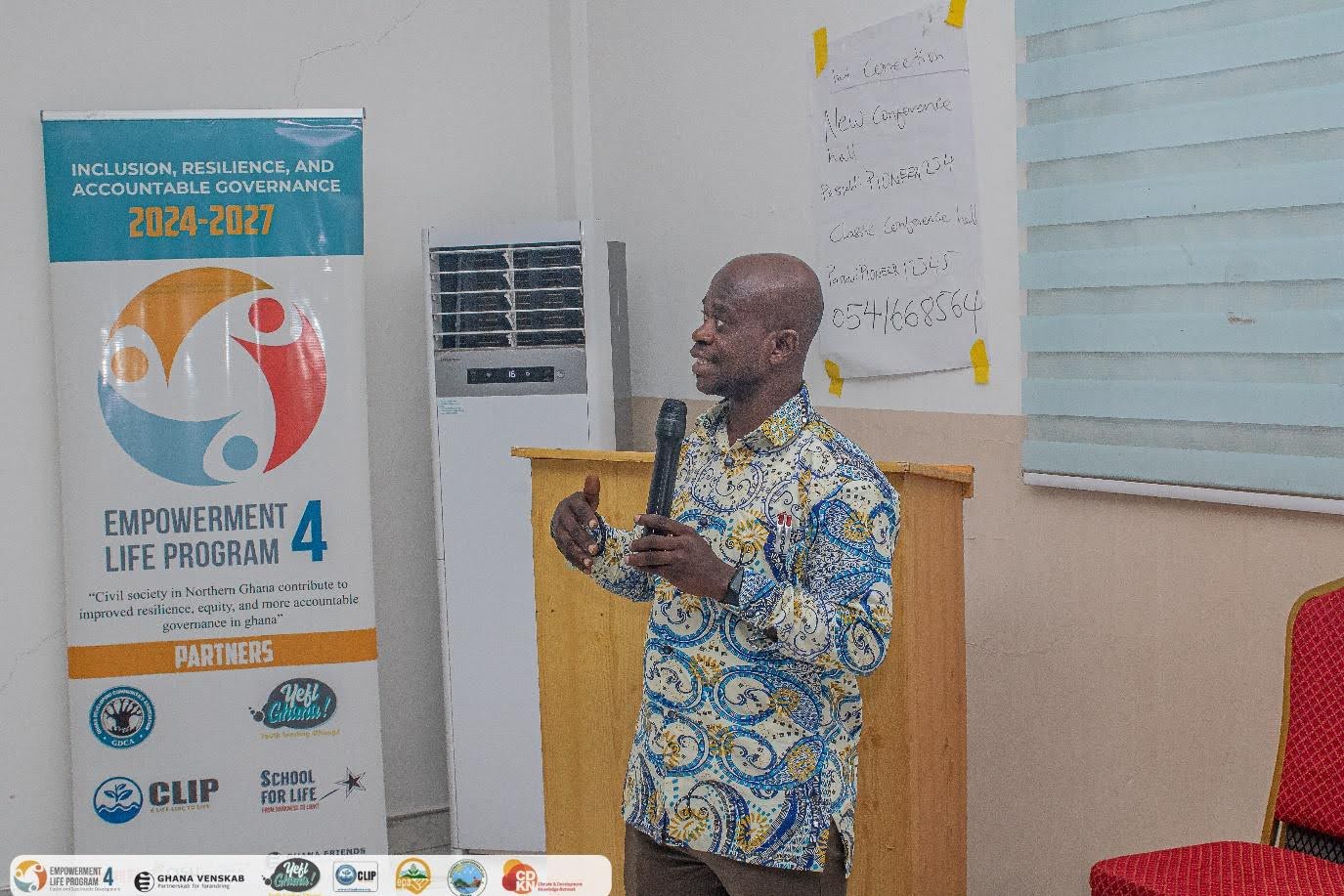
“Before this training, climate policy felt distant and technical,” said Abdulai Kasim, Tamale, Northern. “Now we understand how these processes affect our communities and where our voices fit in.” A core feature of the training was its interactive design. Participants engaged in simulations that mirrored real-world policy processes, including stakeholder consultations and negotiation scenarios. These exercises helped demystify policy engagement and build confidence among youth participants. BTS also emphasised the importance of evidence-based advocacy. Participants learned how to translate local climate impacts such as crop failures, water scarcity, and livelihood disruptions into policy-relevant messages supported by data and community testimony.
Participants examined real-world examples including coastal mangrove restoration, agroforestry systems, and urban greening projects.
Discussions highlighted structural barriers to youth participation, including limited access to decision-making spaces and resource constraints. Participants explored strategies for overcoming these barriers, such as engaging district assemblies, collaborating with civil society organisations, and using media and storytelling as advocacy tools. At the end of the programme, participants developed individual and group action plans outlining how they would apply their learning within their communities and networks. Many committed to engaging local authorities, organising community dialogues, and contributing to national youth climate platforms.
The Tamale training reflects BTS’s commitment to inclusive climate governance and regionally balanced capacity strengthening, ensuring that youth voices from climate-vulnerable regions are central to policy processes.