
Beyond the Science (BTS) has partnered with the University of Ghana to co-develop an innovative Monitoring, Evaluation, and Learning (MEL) tool designed to track the impact of youth-led climate action initiatives. Youth across Ghana are leading climate awareness campaigns, adaptation projects, research, and advocacy efforts. However, many youth-led organisations lack accessible systems to document their reach, outcomes, and learning, limiting their ability to demonstrate impact, secure funding, and influence policy.
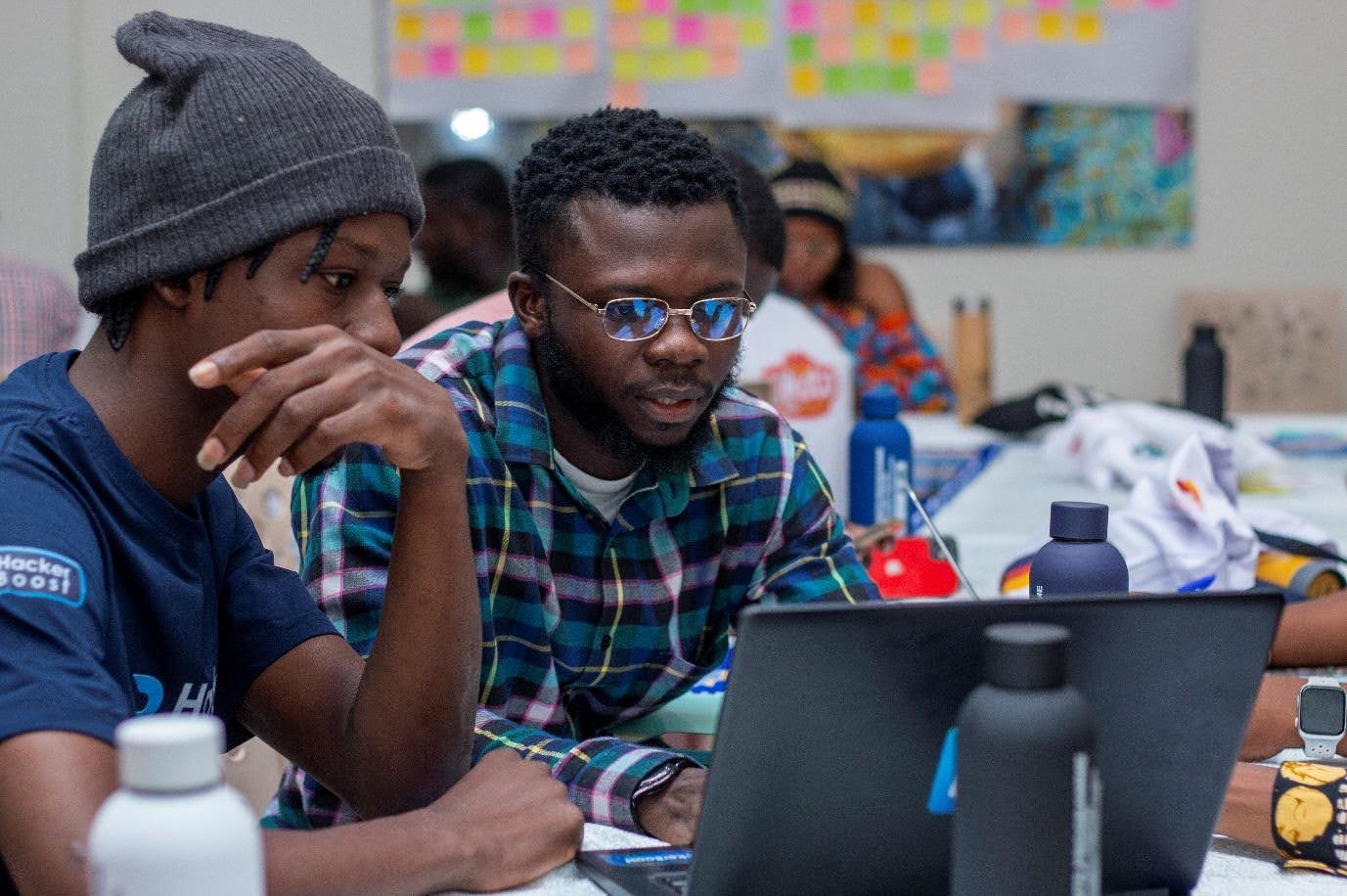
The BTS–University of Ghana collaboration seeks to address this challenge by designing a MEL tool that is practical, user-friendly, and tailored to the realities of youth-led climate work. The development process was anchored in co-creation workshops held at the University of Ghana’s Legon campus, bringing together researchers, students, youth organisers, and BTS technical leads. Participants jointly defined what “impact” means in youth climate action, ensuring the tool reflects both quantitative outcomes and qualitative change.
From Theory to Practice
Sessions focused on ecosystems such as mangroves, wetlands, forests, and urban green spaces, highlighting their potential to address flooding, drought, and land degradation.
Participants examined real-world examples including coastal mangrove restoration, agroforestry systems, and urban greening projects.
The resulting tool integrates digital data collection, automated reporting features, and learning dashboards that allow users to track progress over time. Importantly, the system prioritises learning and adaptation rather than compliance alone, enabling youth organisations to reflect on challenges and improve their strategies.
The tool is designed to be adaptable across different types of climate initiatives, from community education projects to policy advocacy and research dissemination. It also supports aggregation of data across multiple activities, allowing networks and partners to assess collective impact.
The tool is designed to be adaptable across different types of climate initiatives, from community education projects to policy advocacy and research dissemination. It also supports aggregation of data across multiple activities, allowing networks and partners to assess collective impact.
Following the co-design phase, the tool is expected to be piloted with selected youth-led organisations in Ghana, with lessons informing future scale-up across West Africa. This initiative reflects BTS’s broader approach to bridging research, practice, and systems development, ensuring that youth climate leadership is supported by robust, accessible tools.